
Problems guides
What goes wrong for paver patio.
Symptoms first, quotes second
Most expensive paver patio mistakes start with a symptom described to a salesperson. The table maps the common symptoms to their usual cause — the diagnosis a contractor should confirm before quoting.
| Symptom | Usual cause |
|---|---|
| Weeds in joints | Missing polymeric sand |
| Settling | Thin or wet base |
| Efflorescence | Salt migration, cosmetic |
| Rutting under cars | Base not designed for loads |
| Drainage pooling | Fall and slope wrong |
What to document
- Photographs with something for scale, taken at the same angle over time.
- Dates: when it started, whether it changes with weather.
- Water: where it goes, where it pools, what it damages.
- Previous work: who did it, when, and with what material.
What not to do first
Do not accept a repair scope before the cause is named. Patching a symptom is how the same problem returns next season with a bigger invoice. The methods hub explains what each fix addresses; the cost hub shows what it should cost.
When is it an emergency?
When water is entering the structure, when something is structurally unstable, or when a safety system has failed. Everything else can wait for a second opinion.
Should I get an independent inspection?
For anything structural or over about $5,000, yes. A few hundred dollars for an independent report is cheaper than a wrong scope.
All problems guides
Clay Brick Maintenance: A Practical Schedule
Clay brick maintenance by season: cleaning, joint sand, sealing decisions, and the repairs worth scheduling, with costs per square foot and a yearly checklist.
Read the guide →
Clay Brick Problems: What Goes Wrong and Why
The clay brick problems that actually matter, from efflorescence and spalling to settling and lost joint sand, with repair costs and a diagnosis order.
Read the guide →
Concrete Pavers Maintenance: A Year of Care
Concrete pavers maintenance is mostly joint sand, water control, and cleaning. A season-by-season schedule with per-square-foot costs and resealing timing.
Read the guide →
Concrete Pavers Problems and How to Fix Them
The real concrete pavers problems are settlement, joint sand loss, efflorescence, chips, weeds, and edge spread. Causes, fixes, and per-square-foot costs.
Read the guide →
Drainage Pooling: How to Prevent It Effectively
Learn why water pools on your paver patio and how proper base preparation prevents drainage issues before they cause damage.
Read the guide →
Drainage pooling: repair options
How to fix water pooling on a paver patio: regrading, channel drains, French drains and base repair, with the slope and outlet each one needs.
Read the guide →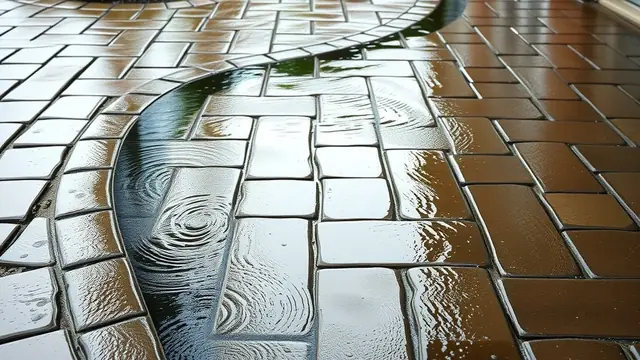
Drainage Pooling: Warning Signs
Learn how to spot drainage pooling issues early and fix them before they damage your paver patio or driveway.
Read the guide →
Efflorescence: how to prevent it
How to prevent white bloom on pavers: drainage, breathable sealing, clean bedding sand and the construction details that keep salt below the surface.
Read the guide →
Efflorescence: repair options
How to remove white efflorescence from pavers and stop it returning: dry brushing, washing, poultices and the drainage fix behind it.
Read the guide →
Efflorescence: warning signs
How to recognise efflorescence early: white bloom at joints, a crust that returns after rain, and the difference from salt, lime and sealer haze.
Read the guide →
Flagstone maintenance
How to keep a flagstone patio clean, weed-free and stable: joint refills, sealing at $1 to $3 per square foot, stain removal and winter care.
Read the guide →
Flagstone problems
The failures flagstone patios actually develop: rocking stones, sand washout, frost heave, cracked slabs and staining, with the base cause of each.
Read the guide →
Permeable Maintenance: Keeping Infiltration Working
Permeable maintenance keeps a permeable surface infiltrating: vacuum sweeping, the bucket test, joint aggregate top-up, and what never to apply to the surface.
Read the guide →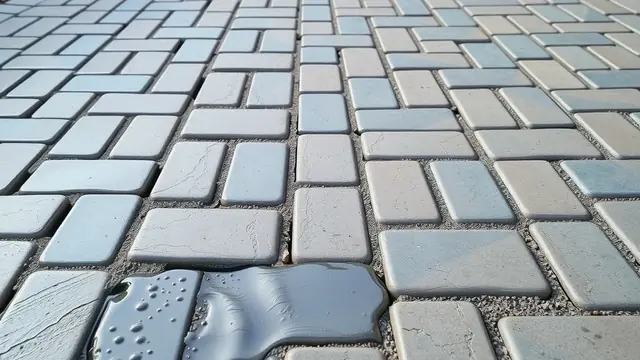
Permeable Problems: Clogging, Settling, and Bypass
Permeable paver problems explained: surface clogging, base settling, water bypassing the system, winter damage, and how to diagnose each one before it spreads.
Read the guide →
Rutting under cars: how to prevent it
Prevent wheel-path ruts in paver driveways with a deeper base, proper compaction, geotextile, edge restraint and drainage that keeps the subgrade dry.
Read the guide →
Rutting under cars: repair options
How to fix wheel-path ruts in a paver driveway: lift and re-bed, rebuild the base deeper, and the edge and drainage fixes that stop it repeating.
Read the guide →
Rutting under cars: warning signs
Early signs of wheel-path rutting in a paver driveway: shallow depressions, water in the ruts, open joints and polished paver faces.
Read the guide →
Settling: how to prevent it
Prevent paver settling with a properly compacted base, working drainage, edge restraint and downspout control, before the patio is laid.
Read the guide →
Settling: repair options
How to fix settled pavers: lift and re-bed, base repair at $4 to $8 per square foot, and the drainage fixes that stop it happening again.
Read the guide →
Settling: warning signs
Early signs of paver settling: dips underfoot, water pooling, joints opening, rocking units and spread edges, and what each one points to.
Read the guide →
Travertine maintenance
Travertine maintenance: practical numbers, costs, and trade-offs, written independently.
Read the guide →
Travertine Problems: Etching, Staining, and Movement
The travertine problems worth knowing before you buy: acid etching, staining, efflorescence, filler loss, hollow spots, and freeze damage, with repair costs.
Read the guide →
Weeds in joints: how to prevent it
Stop weeds between pavers by keeping joints full, holding the edges and moving water off the patio, with the base and sand choices that decide it.
Read the guide →
Weeds in joints: repair options
How to clear weeds from paver joints and keep them out: hand pulling, joint re-sanding, polymeric sand and the base fixes that stop regrowth.
Read the guide →
Weeds in joints: warning signs
The early signs that paver joints are failing: sand loss after rain, moss in shade, widened joints and spreading edges, before weeds take hold.
Read the guide →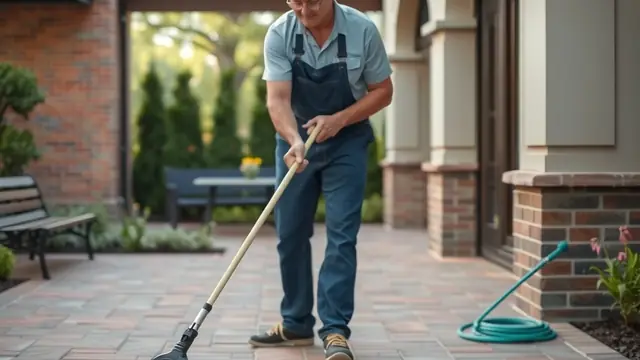
Paver Patio Maintenance Schedule: A Year-Round Guide
A seasonal paver patio maintenance schedule for cleaning, sealing, and repairs to protect your investment.
Read the guide →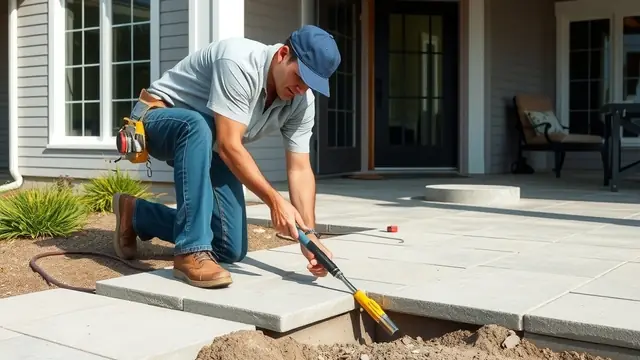
Paver Patio Repair: When It Is Worth It
A practical guide to deciding whether to repair or replace a paver patio, with cost ranges and base-prep priorities.
Read the guide →