Paver Patio Maintenance Schedule: A Year-Round Guide
A seasonal paver patio maintenance schedule for cleaning, sealing, and repairs to protect your investment.
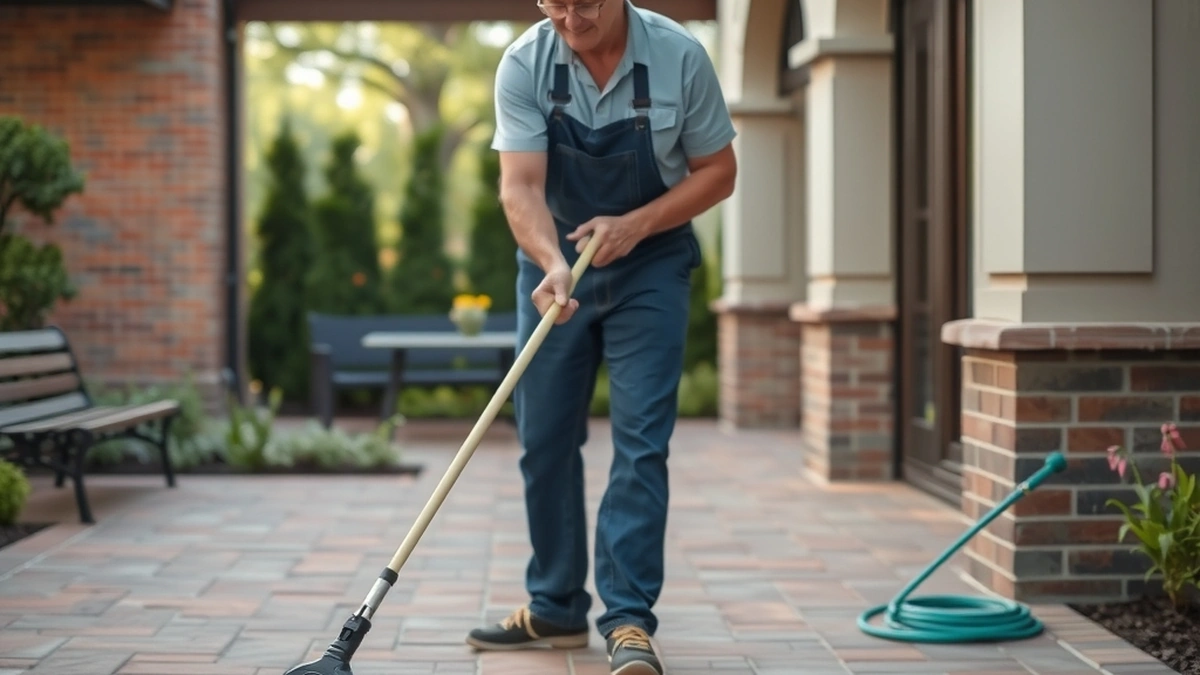
Sweep weekly, wash seasonally, inspect joints every spring, and reseal every 3–5 years to keep a paver patio stable and stain-free.
- Weekly task
- Sweep debris and spot-clean spills
- Quarterly task
- Rinse surface and check joint sand
- Annual task
- Deep clean and inspect for settling
- Reseal interval
- Every 3–5 years
Some links on this page are affiliate links.If you buy through them we may earn a commission at no extra cost to you. We do not accept payment for rankings. Read the full disclosure.
A paver patio maintenance schedule protects the surface and the base beneath it. Sweep weekly, rinse quarterly, inspect joints every spring, and reseal every three to five years. Consistent upkeep costs far less than repairing settled pavers or replacing stained slabs.
Why Maintenance Comes Before Repairs
Paver patios fail from the bottom up. A weak base lets pavers settle, tilt, or separate, which cracks surface sealers and opens joints to weeds. Routine maintenance catches small issues early, such as joint-sand loss or standing water, before they turn into structural problems. If you are planning a new project, review our paver patio installation guide to see how base depth and compaction affect long-term upkeep.
Weekly Maintenance
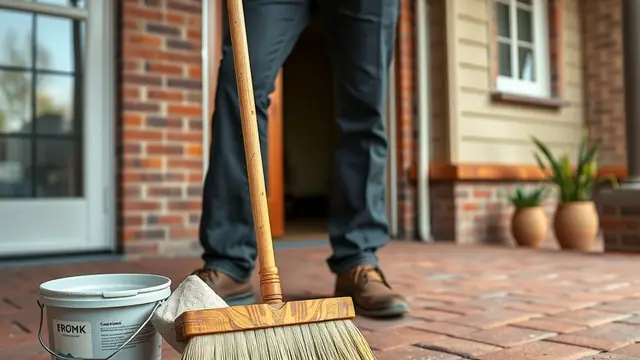
Sweep the patio once per week to remove leaves, dirt, and organic debris. Wet leaves left on concrete or brick pavers can stain the surface within days. Spot-clean spills immediately with a mild detergent and a soft brush. For a 200-square-foot patio, sweeping takes about 10 to 15 minutes. This simple habit prevents abrasive grit from grinding into the paver surface under foot traffic.
Quarterly Maintenance
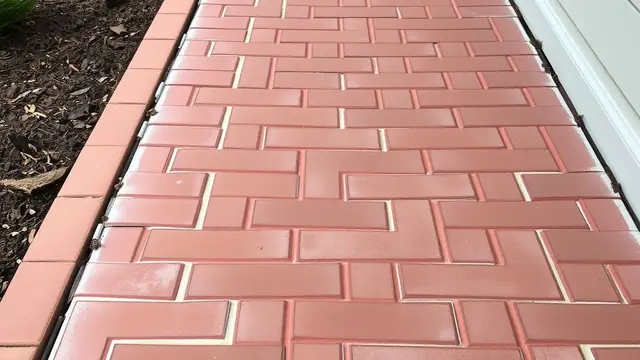
Every three months, rinse the patio with a garden hose to wash away fine dust and pollen. Check the joints between pavers for missing or sunken sand. If you can see the base through the joints, sweep in polymeric or joint sand and compact it lightly. Inspect downspouts and drainage paths so water does not pool against the edge of the patio. Standing water softens the base over time and encourages paver movement.
Annual Deep Cleaning
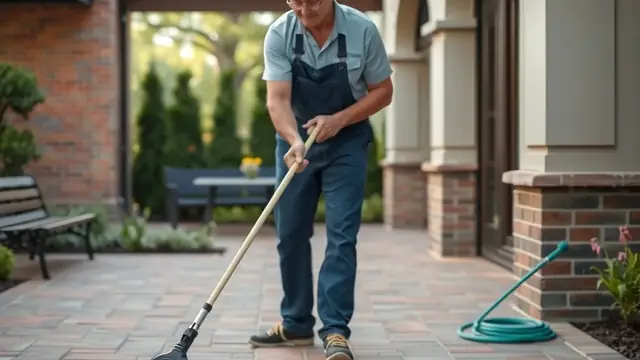
Once per year, perform a deeper cleaning. Use a pressure washer at no more than 1,500 PSI with a wide fan tip, keeping the nozzle at least 12 inches from the surface. Higher pressure or a narrow jet can etch concrete pavers and blast out joint sand. After cleaning, allow the patio to dry for 24 to 48 hours before resealing or sanding joints. Look for signs of settling, such as uneven pavers or water collecting in low spots. If you find damage, our paver patio repair article covers how to reset individual pavers and patch the base.
Sealing Schedule and Cost
Seal the patio every three to five years, depending on paver material, climate, and traffic. Travertine in a freeze-thaw climate may need sealing closer to the three-year mark, while dense brick in a mild climate can go longer. Water that no longer beads on the surface means the sealer has worn away.
Professional sealing costs $1–$3 per square foot. For a 200-square-foot patio, that is:
- Low estimate: 200 × $1 = $200
- High estimate: 200 × $3 = $600
DIY sealing costs less in labor but requires the right sealer for your paver type. Concrete pavers, brick pavers, and travertine each absorb sealers differently, so match the product to the material.
Material-Specific Care
Different paver materials age differently. Use these figures as installed cost estimates only, not maintenance prices:
| Paver type | Installed cost estimate |
|---|---|
| Concrete pavers | $8–$15 per sq ft |
| Brick pavers | $10–$20 per sq ft |
| Travertine | $15–$30 per sq ft |
| Permeable pavers | $12–$25 per sq ft |
Concrete pavers benefit from regular sealing to resist stains and UV fading. Brick pavers can develop efflorescence, a white salt deposit, which should be brushed dry before washing. Travertine is porous and should be sealed with a penetrating sealer to limit water absorption. Permeable pavers require joint aggregate to stay open for drainage, so avoid filling the joints with fine sand that blocks water flow.
Load and Weight Considerations
Residential paver patios are typically designed for foot traffic and light furniture, not vehicle loads. A standard patio chair with four legs concentrates weight on small contact points. If a 200-pound person sits on a chair with four 2-inch by 2-inch leg pads, the total contact area is 16 square inches. The load per square foot is:
- 200 pounds ÷ (16 ÷ 144 square feet) = 1,800 pounds per square foot
That localized pressure is fine on a properly compacted base, but heavy objects such as hot tubs or large planters can exceed residential base design. Distribute weight with pavers or pads under heavy furniture legs, and avoid driving cars or equipment over the patio unless it was built with a vehicular base.
When to Call a Professional
Some issues go beyond routine maintenance. If multiple pavers are tilted, water pools in the center of the patio, or the base is visibly eroding at the edges, schedule a professional inspection. Base repair averages $4–$8 per square foot. Repairing a 20-square-foot settled section would cost roughly:
- Low estimate: 20 × $4 = $80
- High estimate: 20 × $8 = $160
That estimate excludes paver removal, resetting, and new joint sand. For help comparing patio options, see our paver patio vs concrete patio breakdown, or review how long does paver patio last for lifespan expectations by material.
Seasonal Checklist
- Spring: Inspect joints, replace missing sand, and check for winter settling.
- Summer: Sweep weekly, rinse quarterly, and treat oil or food stains promptly.
- Fall: Remove leaves weekly and clear drainage paths before winter.
- Winter: Avoid de-icing salts on concrete and travertine; use sand for traction instead.
Stick to this schedule, and your paver patio will stay level, clean, and stable for years. Preventive maintenance is always cheaper than base repair or paver replacement.
Frequently asked questions
How often should I clean my paver patio?
Sweep weekly and rinse the surface quarterly. A deeper cleaning once per year removes stains and biological growth before they set into the pavers.
When should I reseal my paver patio?
Plan to reseal every 3–5 years, depending on paver type, climate, and foot traffic. Water that stops beading on the surface is a clear sign the sealer has worn away.
What happens if joint sand washes out?
Loose or missing joint sand lets pavers shift and creates tripping hazards. Sweep in new sand, compact it lightly, and seal the surface to lock the joints in place.
Can I pressure wash a paver patio?
Yes, but keep the pressure under 1,500 PSI and use a wide fan tip. Holding the nozzle too close or using a narrow jet can etch the surface and blast out joint sand.
How much does paver sealing cost?
Professional sealing typically runs $1–$3 per square foot. A 200-square-foot patio therefore costs roughly $200–$600 to seal, depending on the sealer and prep required.
What does base repair cost per square foot?
Base repair averages $4–$8 per square foot. Fixing a 20-square-foot settled section would cost about $80–$160, not including paver removal and resetting.
Sources
Some links are affiliate links.If you buy through them we may earn a commission at no extra cost to you. We do not accept payment for rankings. Read the full disclosure.