Paver Patio Design Ideas for Your Home
Explore practical paver patio design ideas to create a functional and beautiful outdoor space.
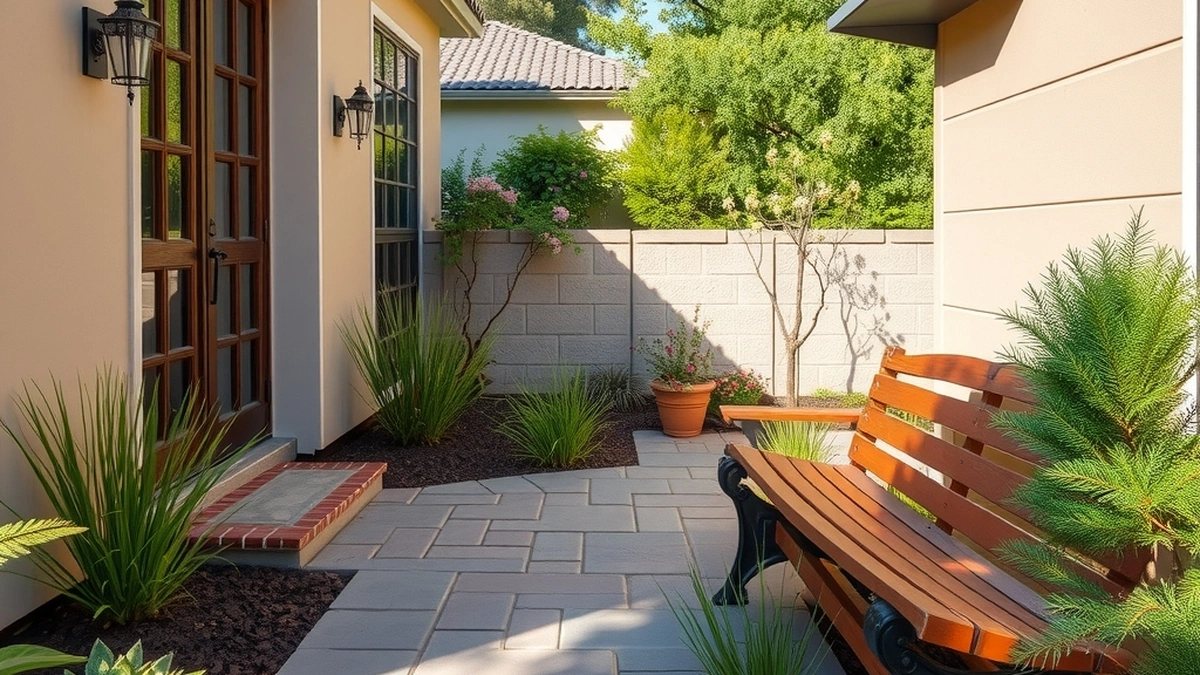
Planning a paver patio starts with a solid base and thoughtful surface choices. Concrete pavers cost about $8 to $15 per square foot, while brick ranges from $10 to $20 per square foot. A well-designed patio balances durability and aesthetics for years of use.
- Typical range
- Varies by system and site
- First step
- Measure the space and confirm the load
- Professional help
- Recommended for structural or electrical work
Some links on this page are affiliate links.If you buy through them we may earn a commission at no extra cost to you. We do not accept payment for rankings. Read the full disclosure.
Creating a paver patio requires understanding both structural preparation and aesthetic surface choices. The right design ideas combine functionality with visual appeal, ensuring your outdoor space remains beautiful and durable over time.
Understanding the Foundation
Before laying any pavers, the ground beneath must be properly prepared. A weak foundation leads to cracking, shifting, and premature failure. The base typically consists of compacted gravel, crushed stone, or sand, layered to provide adequate drainage and support. Estimates indicate that base preparation costs between $4 and $8 per square foot. For a standard 200-square-foot patio, this means an estimated expenditure of $800 to $1,600 just for the underlying substrate. This investment is non-negotiable; skipping it often results in costly repairs down the line. The subbase must be level, sloped correctly for drainage, and compacted to prevent settling. Without these steps, water will pool underneath the pavers, eventually lifting the edges and causing the entire patio to heave.
Choosing Your Surface Material
The paver material dictates both the upfront cost and the longevity of your patio. Here are common options and their approximate costs per square foot:
| Material | Cost per Square Foot | Best Use Case |
|---|---|---|
| Concrete Pavers | $8 - $15 | High-traffic areas, budget-friendly |
| Brick Pavers | $10 - $20 | Classic looks, patios |
| Travertine | $15 - $30 | Elegant, natural appearance |
| Permeable Pavers | $12 - $25 | Drainage-sensitive spaces |
For a 150-square-foot patio using concrete pavers, the surface material alone would cost an estimated $1,200 to $2,250. If you choose permeable pavers, you might spend $1,800 to $3,750. These figures represent only the paver surface; labor and base preparation are additional expenses. Concrete pavers offer excellent durability and a wide variety of colors, making them a popular choice for homeowners seeking a balance of cost and performance. Brick pavers provide a timeless aesthetic but require more maintenance to prevent efflorescence, which is the white mineral deposits that can form on the surface. Travertine offers a natural, earthy look but is porous, meaning it absorbs liquids and requires sealing. Permeable pavers allow water to pass through the joints, mitigating runoff issues but at a higher price point.
Layout Patterns and Flow
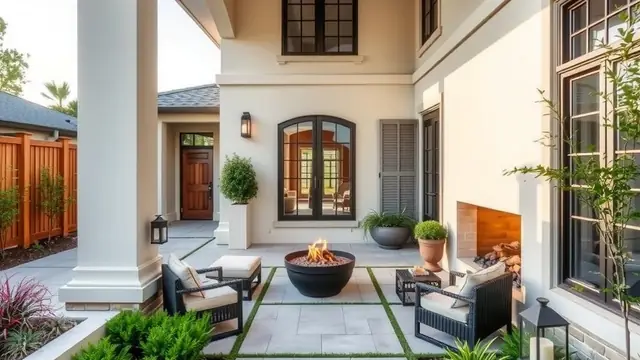
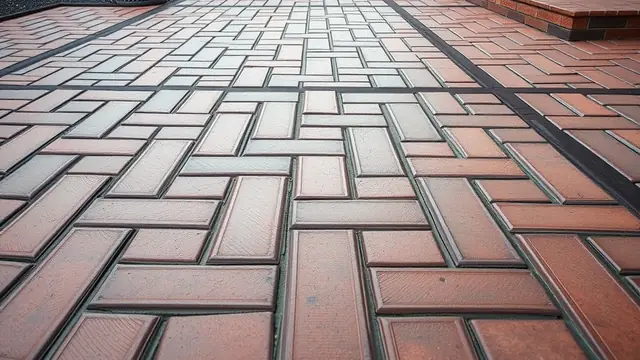
The pattern you select influences how people move through and around your patio. Formal patterns like herringbone or basket weave create a structured, traditional feel, while running bond or offset patterns offer a more casual, relaxed vibe. When planning a large patio, consider creating distinct zones—a dining area and a lounging area—connected by a walkway. You can link these zones using a border paver path or stepping stones. Proper flow ensures guests do not have to navigate through the seating area to exit the space. A well-planned layout also accommodates future additions, such as a fire pit or a small garden, without requiring major rework. For guidance on connecting hardscapes, refer to our guide on paver patio walkways.
Sealing and Maintenance
Protecting your investment is essential for maintaining the patio’s appearance over time. Sealing pavers prevents stains from oil, food, and moss, while also locking out moisture that could freeze and crack the joints during winter. The average cost to seal a paver patio is between $1 and $3 per square foot. Applying sealant to a 150-square-foot patio would cost an estimated $150 to $450. Reapplication every few years is recommended to maintain protection. Regular sweeping and occasional cleaning with mild detergent will extend the life of both the pavers and the sealant. Neglecting maintenance can lead to weed growth in the joints and the deterioration of the sealant barrier, which ultimately shortens the patio’s lifespan.
Budgeting Your Project
Planning a budget helps manage expectations and ensures you select the right materials without overspending. Here is a simple breakdown for a 200-square-foot patio:
- Base preparation: $800 to $1,600
- Surface material: $1,600 to $3,000 (depending on material choice)
- Labor: $2,000 to $4,000
- Sealing: $200 to $600
Total estimated range: $4,600 to $9,200. Always obtain multiple quotes from contractors, as regional pricing and specific site conditions can alter final costs. Material choices like travertine or permeable pavers will push the upper end of this budget, while basic concrete pavers will keep costs closer to the lower limit. Factor in potential costs for edging and landscape fabric if you plan to integrate the patio with planting beds.
Integrating with Other Hardscapes
A paver patio often serves as the centerpiece of a broader outdoor living space. You may want to pair it with a paver driveway leading to the front door or a paver retaining wall along a property line. These adjacent installations share the same preparation standards, ensuring cohesive aesthetics and structural integrity. Mixing materials—like using concrete pavers for the patio and brick for a nearby wall—can create visual contrast. Reviewing different installation styles helps clarify how individual components fit together into a cohesive whole. Proper alignment and consistent color tones across all hardscapes make the transition from patio to driveway seamless.
Edge Restraints and Joint Filler
Edge restraints prevent pavers from migrating outward over time. They are typically made of metal, concrete, or plastic and are installed around the perimeter of the patio. Joint filler, usually polymeric sand, fills the gaps between pavers to lock them in place and stabilize the overall structure. Estimating the cost for edge restraints and joint filler adds roughly $200 to $500 to the project budget. These elements are critical for preventing the patio from becoming uneven and shifting, which can lead to tripping hazards and accelerated wear on the pavers themselves.
Calculating Load Capacity
Understanding the weight-bearing capacity of your patio is vital for safety and structural integrity. A properly constructed residential paver patio can typically support a standard live load of 80 pounds per square inch. To calculate the total weight capacity of a 10-by-10-foot section (which equals 100 square feet), you must convert the area to square inches: 100 square feet multiplied by 144 square inches per square foot equals 14,400 square inches. Multiplying 14,400 square inches by the 80-pound-per-square-inch capacity yields a theoretical total load capacity of 1,152,000 pounds. While this number seems exceptionally high, it reflects the immense strength of a properly engineered paver system under ideal conditions. This capacity comfortably supports standard outdoor furniture, a grill, and even moderate snow loads.
Next, compare paver patio walkway, pavers in grass walkway, how much does paver patio cost before you commit.
Frequently asked questions
How much does base preparation cost?
Base preparation costs an estimated $4 to $8 per square foot depending on soil conditions and drainage needs.
What is the cheapest paver option?
Concrete pavers are the most affordable at $8 to $15 per square foot.
Do I need to seal my pavers?
Sealing protects pavers from staining and weathering, costing roughly $1 to $3 per square foot.
What load can a standard paver patio support?
A typical residential paver patio can support up to 80 pounds per square inch with proper base preparation.
Is permeable paver better for drainage?
Permeable pavers allow water to pass through, reducing runoff and meeting local drainage requirements.
Can pavers be used in a grass walkway?
Pavers can be installed directly over grass or turf, though base preparation is still required for stability.
Sources
Some links are affiliate links.If you buy through them we may earn a commission at no extra cost to you. We do not accept payment for rankings. Read the full disclosure.