Clay Brick Reviews: What Owners Actually Report
How to read clay brick paver reviews: the praise that repeats, the complaints that matter, and the questions reviews never answer before you order.
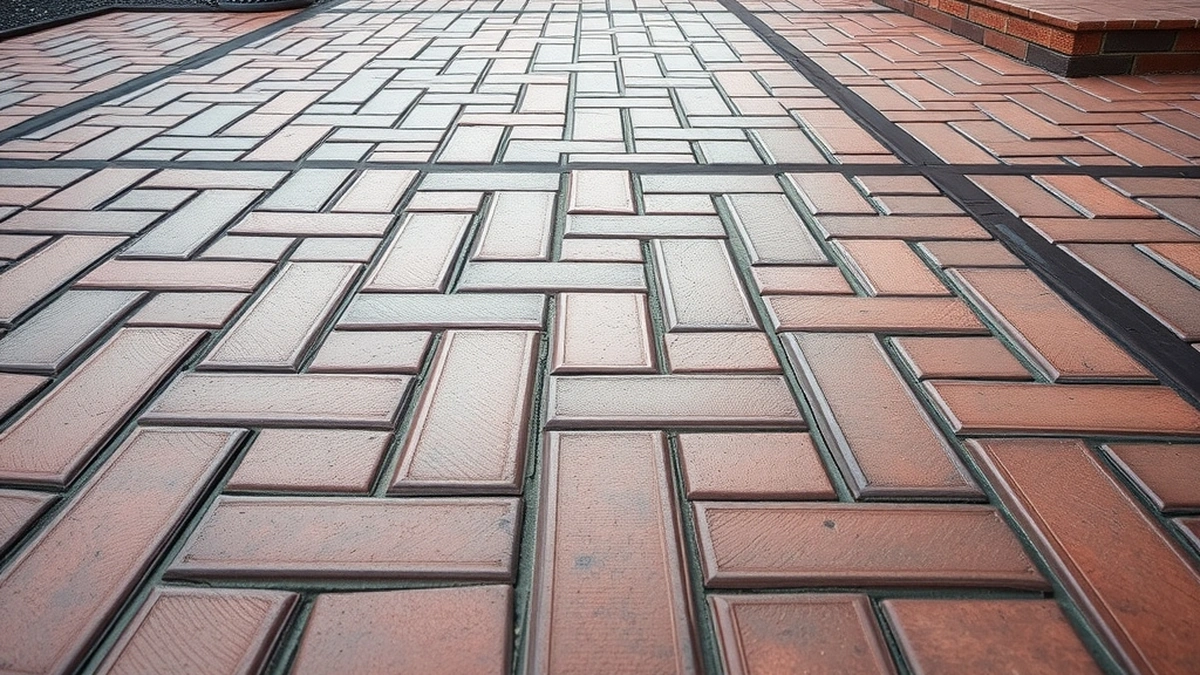
Clay brick reviews praise fired-in color, wet grip, and easy repair, and complain about efflorescence, corner chips, and replacement color mismatch. Verify absorption, thickness, and lot consistency before ordering.
- Installed cost
- $10–$20 per sq ft
- Typical thickness
- 2–2 1/4 in for patios
- Main complaint
- Efflorescence
- Second complaint
- Color mismatch on replacement
- Sealing cost
- $1–$3 per sq ft
Some links on this page are affiliate links.If you buy through them we may earn a commission at no extra cost to you. We do not accept payment for rankings. Read the full disclosure.
Clay brick reviews tend to converge on the same handful of points. Owners like that the color is fired into the unit rather than applied to it, that the surface grips when wet, and that a damaged paver can be swapped without redoing the field. They complain about white bloom, chipped corners, and replacement units that do not match. Everything else in a review is usually about the installer, not the brick.
What the Praise Usually Means
The positive themes in brick paver reviews are consistent enough to be useful, even though the wording varies.
Color that stays. Clay brick is fired at high temperature, and the color comes from the clay body and the kiln atmosphere. A red brick does not turn gray in five years the way a pigmented concrete paver can. Reviews that mention color after a decade are describing that difference, and it is real.
Grip when wet. Brick has a naturally textured face, and it stays textured. Pool decks and shaded walkways are where owners notice it.
Repairability. A single cracked unit lifts out and a new one goes in. Compare that with a poured slab, where a crack is permanent, and the appeal is obvious.
Traditional appearance. This is aesthetic and cannot be argued with. Owners who wanted the look of an older street or courtyard say so, and they are the customers brick is made for.
The Complaints That Repeat
Three complaints dominate, and they deserve separate treatment because only one is about the brick.
Efflorescence is the white bloom that appears after wet weather. It is a salt deposit, it is cosmetic, and it clears with dry weather and a brush. It shows up in reviews as a defect when it is really a moisture story. Brick laid over a poorly draining base blooms more.
Chipped corners come from handling and from freeze-thaw at the edges. A chipped corner on a delivery pallet is a supplier issue. Chipping that develops along a patio edge over years is a base and restraint issue — the field is spreading and the units are grinding against each other.
Color mismatch on replacement is the complaint that catches people out. Each production lot is fired from one clay blend, so a paver bought two years after the original may be a shade off. Owners who ordered spares at installation never mention it. Owners who did not, do.
The fourth recurring complaint — weeds — is a maintenance failure. Joints that lose sand grow weeds. That is answered by refilling joint sand, not by choosing a different brick.
Reading a Review Without Getting Fooled
Retailer star ratings blend product quality with shipping speed, customer service, and contractor behavior. Four filters make them usable:
- Ignore delivery and scheduling complaints. They say nothing about the paver.
- Look for physical descriptions, not adjectives. “Chipped on three corners out of the pallet” is data. “Poor quality” is not.
- Check how long the reviewer has owned the surface. A complaint filed a month after installation is usually an installation issue.
- Look for climate. Spalling complaints cluster in freeze-thaw regions, and they are a legitimate warning if you live in one.
A review that names the base depth, the joint sand, and the drainage detail is worth ten that mention only the color.
Manufacturer Reputation Versus Installer Skill
Most disappointing brick patios are built correctly from the paver up and wrongly from the base down. Reviews rarely separate the two, which is why the same brick appears in five-star and one-star accounts of the same town.
When you read a review that says the patio settled, ask what the base was. When a review says the joints washed out, ask whether the patio was sloped. When a review says the surface spalled in the first winter, ask whether it was sealed with a film-forming product.
Those questions are what a site visit answers. A contractor who can describe the aggregate spec, the compaction method, and the slope before quoting is a better predictor of satisfaction than any rating.
Comparing What Reviews Argue About
| Aspect | Clay brick | Concrete pavers | Travertine |
|---|---|---|---|
| Installed rate | $10–$20 per sq ft | $8–$15 per sq ft | $15–$30 per sq ft |
| Color source | Fired through the body | Pigment and surface treatment | Natural stone variation |
| Main owner complaint | Efflorescence, corner chips | Fade over decades | Etching from acid |
| Replacement match | Lot-dependent | Better within a color line | Hard, stone varies |
| Wet grip | Good | Good to fair | Fair when polished |
The pattern is clear: brick wins on permanence, concrete wins on price and color consistency, travertine wins on appearance and loses on chemical resistance. Our clay brick versus concrete comparison covers the same ground in more detail.
Questions to Ask Before You Order
- What is the absorption rate? Lower absorption means better freeze-thaw resistance. Ask for the supplier’s published figure, not an adjective.
- Is this a through-body color or a surface coating? Through-body holds; coatings wear.
- What lot will the pavers come from, and can I buy spares from it? Get the lot number in writing.
- How much overage is included? Five to ten percent for cuts, plus a dozen stored units.
- What base spec and compaction does the quote assume? Four to six inches of compacted aggregate is the usual pedestrian standard.
- Will the patio be sealed, and with what? A penetrating sealer, not a film.
What Reviews Cannot Tell You
Reviews describe a product; they cannot describe your site. Soil type, slope, drainage outlet, tree roots, and the load the surface will carry all decide whether a brick patio performs — and none of that appears in a star rating.
What reviews can do is tell you which failure modes to expect and what to check before signing. Read the clay brick problem guide for the diagnostic side, and the maintenance schedule for what ownership actually costs per year. If the numbers work at $10 to $20 per square foot installed, the material will do its job — provided the ground under it was prepared to do its own.
Frequently asked questions
Are clay brick pavers worth the price?
They cost $10 to $20 per square foot installed, above concrete pavers at $8 to $15. Owners who value permanent color, wet grip, and easy single-unit repair tend to consider that worth it. Owners who want a uniform surface usually do not.
Why do brick paver reviews mention color differences?
Each production run of clay brick is fired from one batch of clay, so color shifts slightly between lots. A replacement paver ordered two years later may not match the original. Order 5 to 10 percent extra at the start and store it.
Do brick pavers really last longer than concrete pavers?
Both can last decades when the base is built correctly. Brick holds its color because the color runs through the fired body; concrete pavers rely on pigments and surface treatment, so they fade more visibly over time.
What do negative brick paver reviews complain about most?
Efflorescence, chipped corners from handling, spalling in freeze-thaw climates, and weed growth in joints. The first two are cosmetic, and the last two usually trace back to drainage and joint maintenance rather than the brick.
Should I trust review scores on retailer sites?
Treat stars as a filter, not a verdict. Read the one- and two-star reviews for recurring physical complaints, and ignore ratings that complain only about delivery or a contractor. Product quality and installation quality are separate issues.
How many extra pavers should I buy?
Order 5 to 10 percent over the measured area for cuts and breakage, plus a dozen spares stored for later repairs. On a 300-square-foot patio that means about 15 to 30 extra square feet of material.
Sources
Some links are affiliate links.If you buy through them we may earn a commission at no extra cost to you. We do not accept payment for rankings. Read the full disclosure.