Patio Installation Cost by Surface and Size
Patio installation costs $6 to $30 per square foot by surface type. Compare concrete, pavers, permeable units, and travertine, with base and labor math.
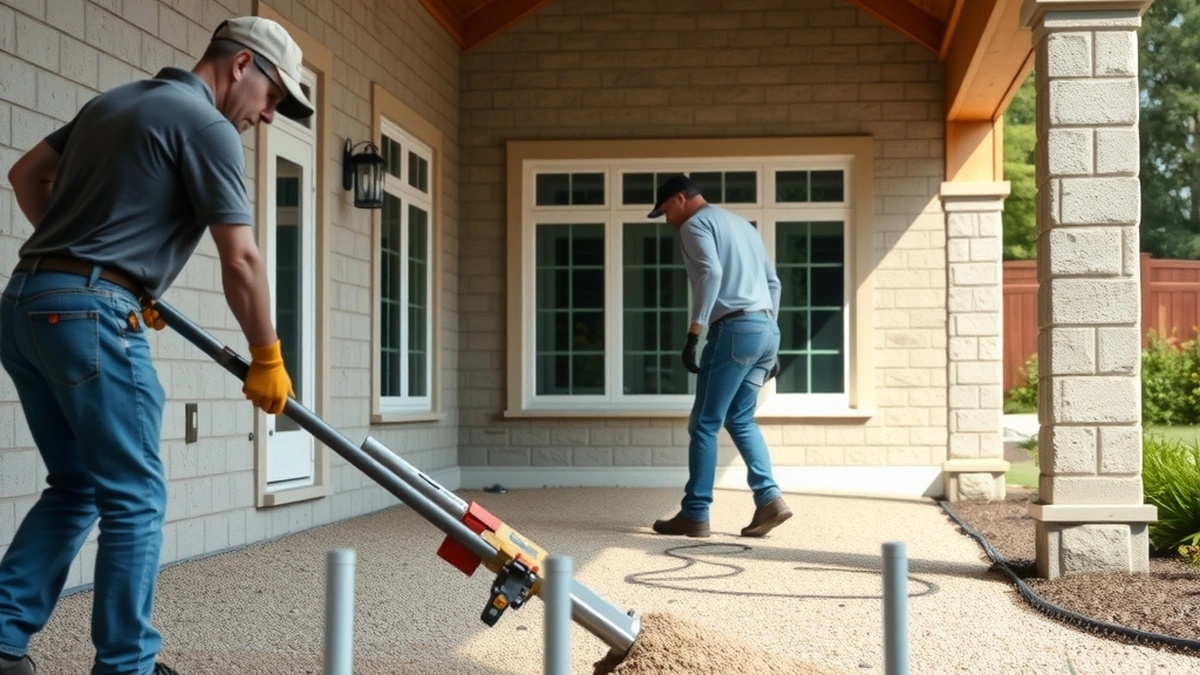
Patio installation runs about $6 to $30 per square foot installed. A plain concrete slab sits near $6 to $12, concrete pavers $8 to $15, brick $10 to $20, permeable pavers $12 to $25, and travertine $15 to $30.
- Plain concrete slab (estimate)
- $6–$12 per sq ft
- Concrete pavers
- $8–$15 per sq ft
- Permeable pavers
- $12–$25 per sq ft
- Travertine pavers
- $15–$30 per sq ft
Some links on this page are affiliate links.If you buy through them we may earn a commission at no extra cost to you. We do not accept payment for rankings. Read the full disclosure.
Patio installation costs roughly $6 to $30 per square foot installed, depending on the surface and the base under it. A plain concrete slab sits at the bottom near $6 to $12 per square foot, concrete pavers at $8 to $15, brick at $10 to $20, permeable pavers at $12 to $25, and travertine at $15 to $30. The base and the site work are what make two quotes for the same square footage differ.
What Installation Cost Covers
Patio installation cost is the price of turning bare ground into a finished, drainable surface: excavation, compacted aggregate base, bedding layer, the surface material, edge restraint, joint finishing, and cleanup, plus disposal of anything removed. It is a construction price, not a material price.
That definition matters because half the quotes homeowners receive are material estimates with labor attached. The other half itemize the build. Only the second kind can be compared.
Cost by Surface Type
| Surface | Installed rate | 400 sq ft total |
|---|---|---|
| Plain concrete slab | $6–$12 (estimate) | $2,400–$4,800 |
| Concrete pavers | $8–$15 | $3,200–$6,000 |
| Brick pavers | $10–$20 | $4,000–$8,000 |
| Permeable pavers | $12–$25 | $4,800–$10,000 |
| Travertine pavers | $15–$30 | $6,000–$12,000 |
The arithmetic is area times rate. A 400-square-foot patio at $8 is $3,200; at $30 it is $12,000. The concrete slab figure is a planning estimate for a broom-finished pour, not a quote, and decorative finishes move it upward quickly.
The ordering is consistent across markets even when the absolute numbers shift: slab below concrete pavers, concrete pavers below permeable and brick, travertine at the top. What changes is the size of the gaps, which narrow in expensive labor markets and widen where pavers are locally manufactured.
The Base Is the Constant
Every surface in that table sits on compacted aggregate, so base cost is the floor of the project. A paver patio typically needs 4 to 6 inches of compacted base plus about an inch of bedding sand; a slab needs a 4-inch gravel base under the pour.
For a 400-square-foot patio with a 6-inch base: 400 × 0.5 ft = 200 cubic feet, and 200 ÷ 27 = 7.4 cubic yards of aggregate. At roughly 2,700 pounds per cubic yard, that is about 20,000 pounds — ten tons of material moved, spread, and compacted before any surface goes down.
If the existing patio has to come out or the subgrade is soft, base repair adds $4 to $8 per square foot. On 400 square feet that is $1,600 to $3,200, which frequently exceeds the difference between a cheap surface and a good one.
Labor, Region, and Season
Labor is usually 40 to 55 percent of an installed paver price. It is priced per square foot but driven by detail: cutting around curves, setting a border course, building steps, and working in a tight side yard all add hours that a rate cannot capture.
Regional wages move the total more than most homeowners expect, and so does season. Late spring and early fall are booked solid in most markets, and a crew squeezing in a small job between larger ones may quote a premium or decline it outright.
Winter installation is possible in mild climates and usually cheaper, but adhesive, sealer, and base compaction all have temperature limits. Ask what the material manufacturers specify rather than assuming a cold-weather discount is free.
Add-Ons Priced Above the Surface
Steps, seat walls, fire features, and lighting are quoted as separate items because none of them scale with square footage. A single step with a paver tread and block riser is typically several hundred dollars. A seat wall is priced per linear foot and by height. Low-voltage lighting adds a fixture and trenching line.
Drainage corrections deserve their own line too. A channel drain at a low door, a French drain along an uphill edge, or regrading to move water off a slab all require excavation that a patio rate does not cover. Ask for each as a named item so the totals stay comparable.
Time on Site
| Stage | Typical duration |
|---|---|
| Demolition and excavation | 1 day |
| Base spreading and compaction | 1 day |
| Layout, laying, and cutting | 1–2 days |
| Edging, joint sand, cleanup | Half day |
| Concrete cure before use | 24–48 hours for foot traffic |
A 300-to-400-square-foot paver patio is normally a two-to-four-day job. A slab is often formed, poured, and finished in a single day, then left to cure. Neither schedule includes the wait for material delivery, which can add days in peak season.
Comparing Installation Bids
- Confirm the excavation depth and the compacted base depth in inches.
- Ask for the aggregate type and the number of compaction lifts.
- Check whether disposal, dumpster fees, and haul-off are included.
- Verify the surface material by brand, model, and thickness.
- Confirm edge restraint and joint sand are in scope.
- Get sealing, drainage, and any steps quoted as separate lines.
A bid that answers all six is comparable to another bid that answers all six. A bid that answers two is a number, not an offer.
What the Cost Buys Later
The cheapest installation is the one that does not need rework. A $2,000 saving on a shallow base typically returns as a $4 to $8 per square foot repair within a few seasons, and the disruption of lifting and relaying a patio is worse than the original install.
If you are choosing between surfaces, our paver patio cost guide covers totals by project size, and paver patio cost versus concrete addresses the most common comparison directly. Concrete pavers cost breaks down the most popular material, permeable pavers cost covers the drainage premium, and the installation sequence shows what the crew is doing each day.
Frequently asked questions
How much does it cost to install a 400 square foot patio?
Between $2,400 and $12,000 depending on surface. A plain slab lands near $2,400 to $4,800, concrete pavers at $3,200 to $6,000, and travertine at $6,000 to $12,000 at $15 to $30 per square foot.
What is the labor share of patio installation cost?
Labor is typically 40 to 55 percent of an installed paver price. Base preparation, cutting, and compaction are the labor-heavy stages, which is why a simple field on easy access costs less than a bordered patio with steps.
Is a concrete patio cheaper than pavers installed?
Yes, a plain slab is usually the lowest installed cost. Decorative finishes, stamping, and coloring narrow the gap, and sometimes push a slab above the price of basic concrete pavers.
Does patio installation include removal of the old surface?
Not unless it is written into the bid. Demolition and disposal are usually separate line items, and they matter most when breaking out an existing slab or asphalt.
How long does patio installation take?
A paver patio of 300 to 400 square feet is usually a two- to four-day job: one day for excavation and base, one for laying, and a day for cuts, edging, sanding, and cleanup. A concrete slab is often placed and finished in one day.
Are permits required for a patio?
Requirements vary by jurisdiction. Flat hardscape on grade often needs no permit, but additions that retain soil, sit above a certain size, or change drainage may. Ask the local building department before work starts.
Sources
Some links are affiliate links.If you buy through them we may earn a commission at no extra cost to you. We do not accept payment for rankings. Read the full disclosure.