Paver Patio Cost per Square Foot: What the Rate Hides
Installed paver patio rates from $8 to $30 per square foot, what the number includes, and how base depth, access, and job size change it.
Installed paver patio rates run $8 to $30 per square foot. Concrete pavers sit at $8 to $15, brick at $10 to $20, permeable pavers at $12 to $25, and travertine at $15 to $30, all including base, bedding, and labor.
- Concrete pavers
- $8–$15 per sq ft
- Brick pavers
- $10–$20 per sq ft
- Permeable pavers
- $12–$25 per sq ft
- Travertine pavers
- $15–$30 per sq ft
Some links on this page are affiliate links.If you buy through them we may earn a commission at no extra cost to you. We do not accept payment for rankings. Read the full disclosure.
Expect $8 to $30 per square foot installed for a paver patio, with concrete pavers at the bottom of that band, brick in the middle, and travertine at the top. The rate is useful shorthand, but it hides the three things that actually swing a bid: base depth, site access, and job size. Two contractors can quote $12 per square foot and deliver very different patios.
What the Rate Actually Covers
A paver patio cost per square foot is an installed price that bundles the paver units, compacted base aggregate, bedding sand, edge restraint, joint sand, labor, and debris disposal into one number. It should include excavation to depth and compaction in lifts. It usually excludes sealing, demolition of an existing surface, permits, lighting, and any wall or step.
| Material | Installed rate | 300 sq ft total |
|---|---|---|
| Concrete pavers | $8–$15 | $2,400–$4,500 |
| Brick pavers | $10–$20 | $3,000–$6,000 |
| Permeable pavers | $12–$25 | $3,600–$7,500 |
| Travertine pavers | $15–$30 | $4,500–$9,000 |
The arithmetic is straightforward: 300 square feet at $8 is $2,400, and at $30 it is $9,000. Most of that spread is material cost, not labor. A travertine unit can cost several times what a concrete unit costs, while the labor to lay both is nearly identical.
Why the Rate Falls as the Patio Grows
Every job carries fixed costs that do not care how big the patio is. Mobilization, equipment delivery, aggregate delivery, and the minimum charge for a crew’s day all get divided across the square footage.
Put a $700 mobilization charge on a 150-square-foot patio and it adds $4.67 per square foot. Put the same $700 on a 600-square-foot patio and it adds $1.17. That alone explains why a small job quoted at $16 per square foot may be priced fairly while a large job at $10 is not cheap at all.
The practical consequence: never benchmark a 120-square-foot job against a 500-square-foot rate you found online. Ask what the mobilization and minimum charges are, then judge the rest.
The Base Is Half the Story
Under the pavers sits 4 to 6 inches of compacted aggregate and about an inch of bedding sand. That material is heavy, and the volume is easy to underestimate.
For a 300-square-foot patio with a 6-inch base: 300 × 0.5 ft = 150 cubic feet, and 150 ÷ 27 = 5.6 cubic yards of aggregate. At roughly 2,700 pounds per cubic yard that is about 15,100 pounds, or seven and a half tons of base material before a single paver is delivered.
If the existing patio has to come out or the subgrade is soft, base repair adds $4 to $8 per square foot. On 300 square feet that is $1,200 to $2,400, which can exceed the entire material cost of the pavers. This is the line item a cheap bid quietly leaves out.
What Pushes the Rate Up
- Access. A patio behind the house with a narrow gate means wheelbarrows instead of a skid steer, and labor hours climb.
- Demolition. Breaking out a slab, hauling asphalt, or cutting tree roots adds cost and disposal fees.
- Pattern and border. Herringbone and basketweave take longer than running bond and generate more waste; a soldier course border adds cuts around the entire perimeter.
- Grade changes. Steps, ramps, and retaining edges require structural work that is priced by the piece, not the square foot.
- Region and season. Labor rates vary widely between metros, and late-summer schedules command a premium.
- Unit thickness. Driveway-rated pavers are thicker and heavier than patio units, and they cost more per square foot to place.
Reading a Bid Line by Line
- Confirm the base depth in inches and the number of compaction lifts.
- Confirm whether excavation, haul-off, and dump fees are included.
- Check that edge restraint is specified by product, not just assumed.
- Confirm the paver line includes 5 to 10 percent waste for cuts.
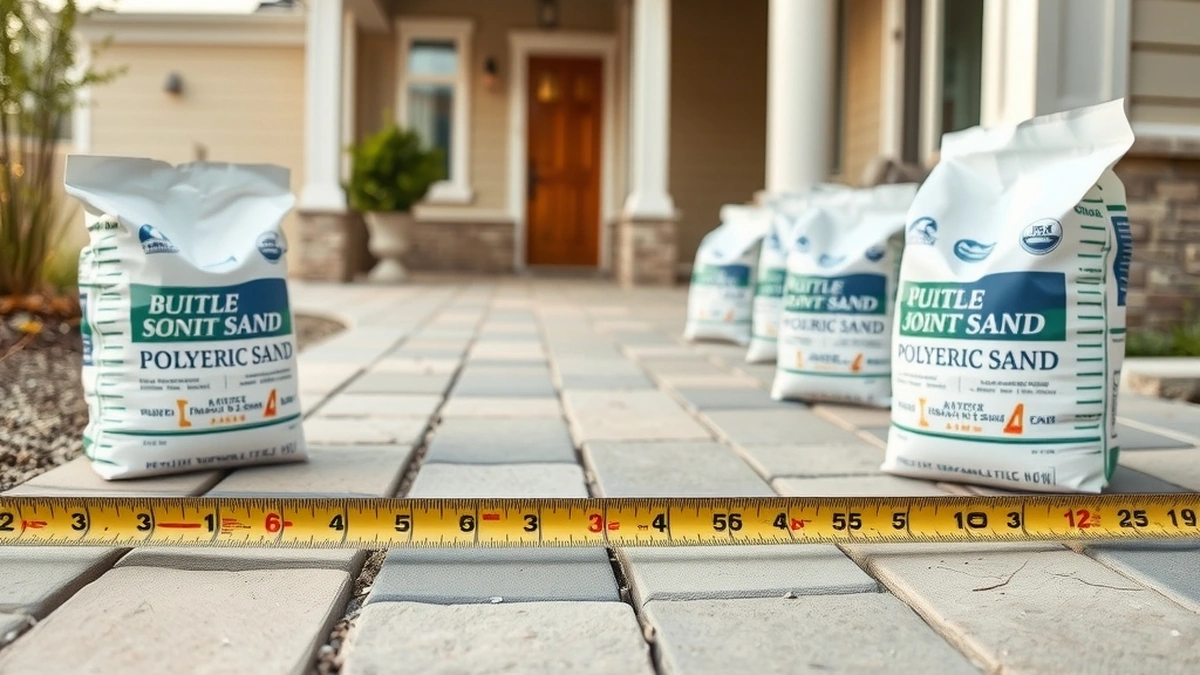
- Ask what the joint sand is — plain sand versus polymeric changes the maintenance picture.
- Get sealing and first-year re-sanding quoted separately so you can see the real total.
A bid that lists only a square-foot rate and a total is not a bid yet. It is an estimate with the details removed, and the missing details are where the money and the risk sit.
What $12 per Square Foot Buys
Picture two quotes at exactly $12 per square foot for a 250-square-foot patio, both $3,000. The first assumes 4 inches of base, no removal of the old concrete, and a single running bond field. The second includes 6 inches of base in compacted lifts, demolition and disposal of the old slab, edge restraint spiked every 12 inches, and a border course.
On the first patio, the old slab stays in place as a pseudo-base, the new surface sits higher than the door, and the joints open at the first freeze. On the second, the elevation is planned, the water runs away from the house, and the perimeter holds. Same rate, different patio.
Per-square-foot pricing is a comparison tool, not a specification. Use it to spot outliers, then read what each number includes. Our paver patio cost guide covers totals by project size, and concrete pavers cost covers the most common material in detail.
When settling does appear, settling repair cost explains what fixing it runs, and paver sealing cost covers the optional line most bids leave off. If you want to see the sequence behind the rate, the installation walkthrough shows where the hours go.
Frequently asked questions
What is a fair price per square foot for a paver patio?
For concrete pavers, $8 to $15 per square foot installed is the normal band in most US markets. Anything under $8 usually means a shallow base or no edge restraint, and anything over $15 should come with a thicker base or a premium unit.
Why did one bid come in at half the price of another?
The usual reasons are base depth, excavation, and disposal. A cheap bid often assumes 4 inches of aggregate, no removal of old material, and a simple field with no border. Those omissions show up as settling within a couple of seasons.
Does the per-square-foot price include sealing?
Normally not. Sealing adds $1 to $3 per square foot and is usually quoted as a separate line, sometimes a year after installation once the pavers have dried out and the joints have settled.
Is a small patio more expensive per square foot?
Yes. Mobilization, delivery, and minimum crew charges are spread over fewer square feet. A 120-square-foot patio can carry a rate 30 to 50 percent higher than a 500-square-foot patio using the same pavers.
How much does base repair add?
Base repair runs $4 to $8 per square foot when existing material has to come out and the aggregate rebuilt. It is priced separately from new installation because it involves demolition and disposal.
Should I compare bids by the square foot or by total?
Compare by total, then divide by square feet to sanity-check the rate. The totals are only comparable if each bid covers the same base depth, edge restraint, disposal, and cleanup.
Sources
Some links are affiliate links.If you buy through them we may earn a commission at no extra cost to you. We do not accept payment for rankings. Read the full disclosure.