Understanding Paver Sealing Cost: What to Expect
Learn how much paver sealing costs per square foot and what factors affect pricing for your patio or driveway.
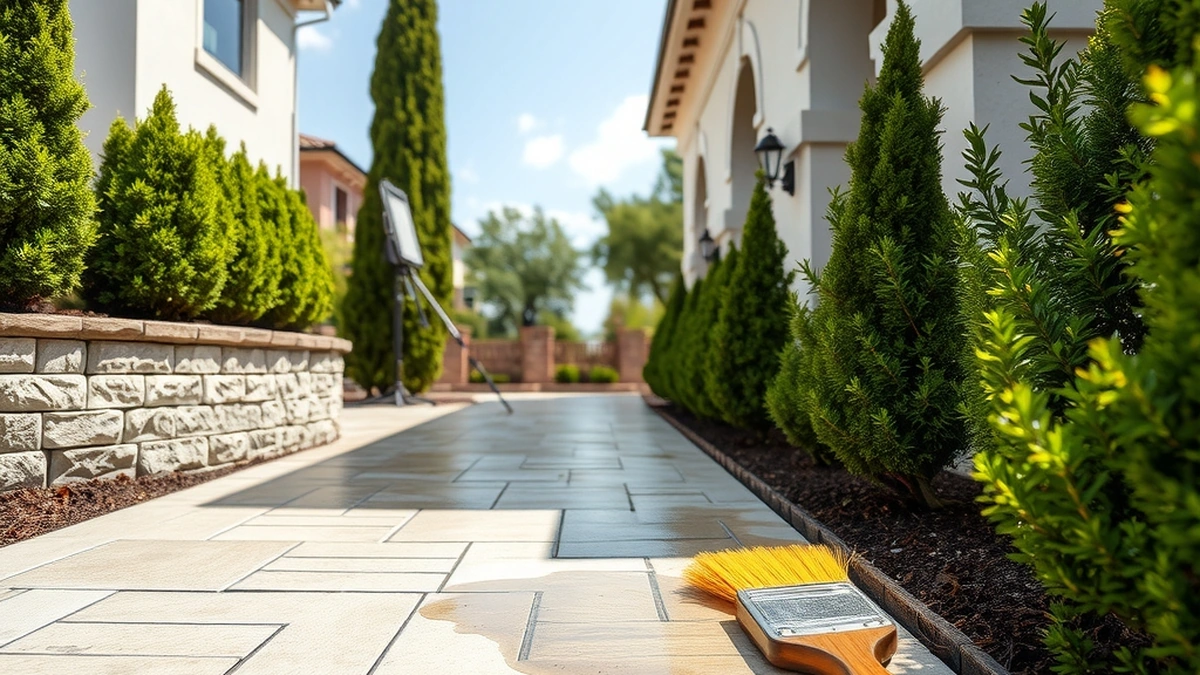
The average cost to seal pavers is between $1 and $3 per square foot. Total project costs will vary based on the paver type, square footage, and whether base preparation is needed.
- Typical range
- Varies by system and site
- First step
- Measure the space and confirm the load
- Professional help
- Recommended for structural or electrical work
Some links on this page are affiliate links.If you buy through them we may earn a commission at no extra cost to you. We do not accept payment for rankings. Read the full disclosure.
Understanding Paver Sealing Cost: What to Expect
Sealing pavers is a crucial step in protecting your investment, but understanding the associated costs requires looking at both the surface treatment and the underlying base. The average cost to seal pavers ranges from $1 to $3 per square foot. However, this baseline figure does not account for the type of paver you are using or whether the existing base requires correction before the sealing process begins. Taking the time to evaluate these variables ensures you are not caught off guard by the final invoice. Whether you are maintaining a family patio or managing a commercial property, knowing the financial parameters helps you plan effectively. Sealants create a protective barrier against weathering, oil stains, and freeze-thaw cycles, making them an essential part of paver ownership.
How Sealing Costs Are Calculated
When you hire a professional, the $1 to $3 per square foot estimate typically includes the paver sealer itself, the labor to apply it, and the necessary equipment. This cost applies to standard residential projects. For commercial applications, such as driveways in business parks or institutional plazas, the per-square-foot rate may be slightly higher due to larger project scopes, specialized equipment requirements, and the need for multiple coats. It is important to note that these figures represent estimates and actual quotes can vary significantly based on geographic location, contractor rates, and local market conditions. Always request multiple quotes before committing to a project to ensure you are getting a fair price. The sealer itself comes in various formulations, including acrylic, polyurethane, and penetrating silanes, each with different price points and levels of protection.
Material Impacts on Overall Project Cost
The type of paver you choose significantly impacts your overall project budget, even though the sealing cost itself remains relatively consistent across materials. For instance, concrete pavers cost between $8 and $15 per square foot to install, brick pavers range from $10 to $20 per square foot, and travertine pavers are more expensive at $15 to $30 per square foot. Because travertine is a natural stone, it often requires specialized penetrating sealants designed to protect the porous surface without altering its natural texture. While the application fee remains within the $1 to $3 range, the initial investment in the pavers themselves dictates the overall financial picture of your property improvements. Choosing a more expensive paver material means you must weigh the upfront cost of the pavers against the ongoing cost of sealing and maintaining them over the years.
Permeable Pavers and Specialized Sealants
Permeable pavers, which allow water to pass through the joints, also sit in the middle regarding installation costs at $12 to $25 per square foot. Sealing permeable pavers requires specific sealants designed to fill the gaps without clogging the drainage system. Using the wrong type of sealant can void the manufacturer’s warranty, so it is vital to use the product recommended by the paver manufacturer. These specialized sealants often come at a slight premium, but they are necessary to maintain the permeability of the paver system and prevent water pooling underneath. Water pooling can lead to shifting, cracking, and eventual spalling of the pavers, which requires costly repairs. Therefore, selecting the correct sealing method is just as important as selecting the correct paver material.
The Critical Role of Base Preparation
Before applying any sealer, the surface must be properly prepared. If the existing paver base is settled, uneven, or crumbling, the sealer will fail to provide adequate protection and the pavers will continue to shift. Base repair costs range from $4 to $8 per square foot. This step is non-negotiable for long-term durability. A typical scenario involves a homeowner discovering their patio has settled over time, requiring them to lift the pavers, add compacted gravel, re-pack the joints, and re-set the pavers before sealing. Skipping this step guarantees a short lifespan for your investment. A solid base ensures that the weight of people and vehicles is distributed evenly, preventing localized stress that can cause the surface to crack or heave.
Breaking Down Your Total Project Load
Let us look at a practical example to understand the total financial load of a sealing project. Suppose you have a 150-square-foot concrete paver patio that requires base repair before sealing. First, calculate the base repair cost: 150 sq ft multiplied by the midpoint of the base repair range ($6) equals $900. Next, calculate the sealing cost: 150 sq ft multiplied by the midpoint of the sealing range ($2) equals $300. Adding these together gives a total of $1,200 for the project. Without base repair, the total would drop to just $300, highlighting how preparation can drastically alter the final bill. You can see how easily a seemingly simple sealing job becomes a multi-hundred-dollar project when structural issues are present.
DIY Versus Professional Installation
Deciding whether to tackle the project yourself or hire a professional depends on your budget and skill level. DIY sealing kits are available for purchase online, which can reduce the per-square-foot cost to under $1. However, professional installation ensures the sealer is applied evenly and thoroughly, preventing issues like peeling, bubbling, or uneven color coverage. Professionals also have access to industrial-grade sealants that provide longer-lasting protection and can handle larger commercial jobs efficiently. For complex repairs where the base needs significant work, hiring a professional is strongly recommended to avoid structural damage later, especially when it comes to paver patio repair. You can find more information on our site about how to properly maintain your investment and ensure long-term value.
Long-Term Maintenance and Savings
Sealing is not a one-time expense; it is an ongoing commitment to preserving your hard work. Regular maintenance, including sweeping and occasional re-sealing every few years, will extend the life of your pavers. By investing in proper sealing now, you avoid the much higher costs of replacing an entire patio or driveway later. Linking to our best paver patio resources can help you choose the right system for your climate and lifestyle, ensuring your outdoor space remains beautiful and functional for decades. Planning for annual inspections and routine touch-ups will keep your property looking its best without requiring constant reinvestment.
Next, compare how much does paver patio cost, paver patio installation, paver patio repair before you commit.
Frequently asked questions
How much does it cost to seal pavers per square foot?
Sealing pavers typically costs between $1 and $3 per square foot depending on the paver material and project scope.
Does base preparation affect paver sealing costs?
Yes, base repair can add $4 to $8 per square foot if the existing surface needs leveling or correction before sealing.
Is concrete paver sealing cheaper than brick paver sealing?
Concrete pavers generally cost less to seal than brick pavers because concrete is more affordable to manufacture.
Can I DIY my paver sealing project?
While possible, professional installation ensures proper application and prevents damage to the paver sealant.
How often should I seal my pavers?
Most sealants require reapplication every three to five years to maintain protection against weathering.
Does sealing a paver driveway cost differently than a patio?
Driveways usually involve larger square footage and heavier traffic, but the per-square-foot sealing cost remains similar.
Sources
Some links are affiliate links.If you buy through them we may earn a commission at no extra cost to you. We do not accept payment for rankings. Read the full disclosure.