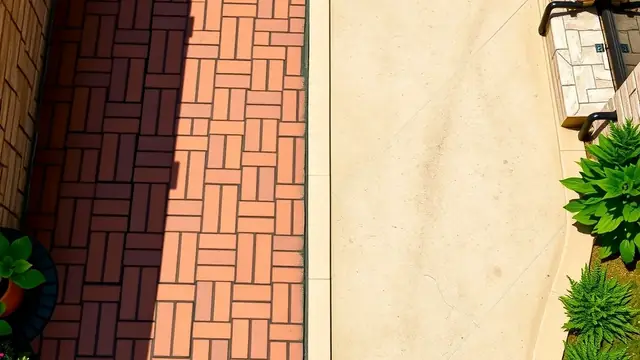
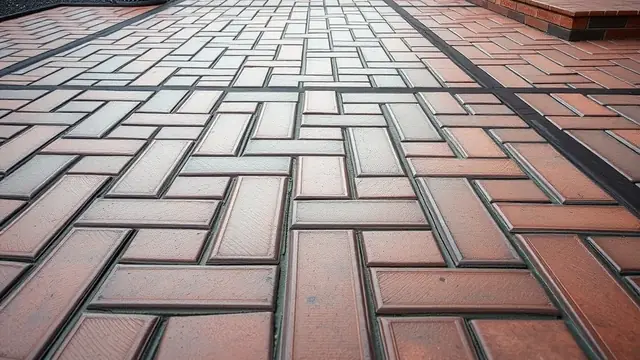
Is paver patio worth it?
Is paver patio worth it?: practical numbers, costs, and trade-offs, written independently.
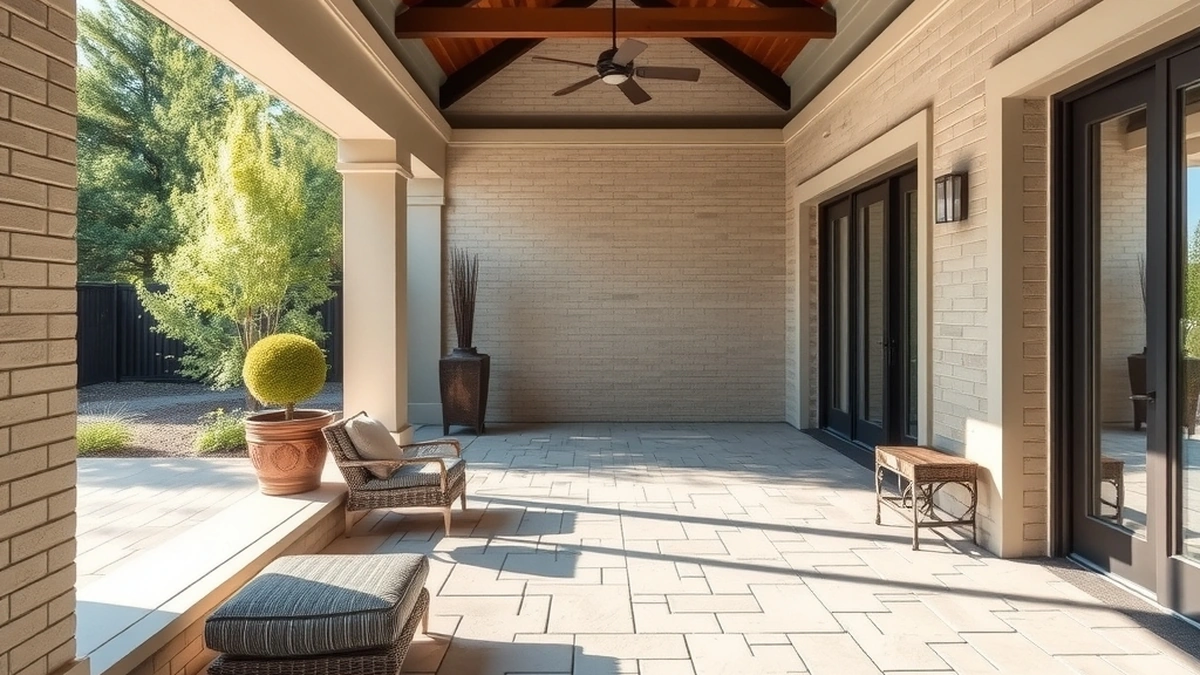
Is paver patio worth it?: practical numbers, costs, and trade-offs, written independently. The guide below shows the numbers and the trade-offs.
- Typical range
- Varies by system and site
- First step
- Measure the space and confirm the load
- Professional help
- Recommended for structural or electrical work
Some links on this page are affiliate links.If you buy through them we may earn a commission at no extra cost to you. We do not accept payment for rankings. Read the full disclosure.
A paver patio is worth it when you will use the space, the base can be built properly, and you value being able to lift one unit instead of replacing a slab. It is not worth it when the budget only covers the pavers and not the base, or when the patio is a checkbox for a house you plan to sell within two years. The dollars below show where the value actually sits.
The Short Answer
On a 300 sq ft patio, concrete pavers cost $2,400 to $4,500 installed at $8 to $15 per sq ft. Spread over 25 years, that is $96 to $180 per year before maintenance. Add sealing every four years at $300 to $900 per application, which is $75 to $225 per year, and the carrying cost lands at roughly $171 to $405 per year.
A wood deck or a poured slab can quote lower up front. What pavers buy for that money is repairability: a failed section comes out and goes back without touching the rest of the surface.
Where the Money Goes
The surface is the visible half. On a 300 sq ft job at $11.50 per sq ft — the midpoint of the concrete range — the total is $3,450.
- Units, typically $3 to $6 per sq ft: $900 to $1,800
- Base aggregate, bedding sand, and compaction: the largest share of what remains
- Cutting, edge restraint, joint sand, and labor: the rest
- Waste at 5 to 10 percent: 15 to 30 sq ft of extra material
The base is not an optional upgrade. A patio built on 2 inches of gravel with no compaction is a patio that will need $4 to $8 per sq ft of base repair within a few years, which on 300 sq ft is $1,200 to $2,400. That single number can exceed the original installation cost, which is the strongest argument for spending on the base first and the finish second.
The Repair Math That Decides the Question
This is where pavers separate from a slab. Suppose a 40 sq ft section settles after a downspout is redirected onto it.
- Base repair on 40 sq ft at $4 to $8 per sq ft: $160 to $320
- Replacement units on 40 sq ft at $8 to $15 per sq ft: $320 to $600
- Total: $480 to $920
Compare that to rebuilding the entire 300 sq ft patio at $8 to $15 per sq ft: $2,400 to $4,500. The repair is 11 to 38 percent of the replacement price, and it restores the surface without disturbing the other 260 sq ft.
A rigid slab does not offer that option. Once a slab cracks through, the usual fix is a patch that never matches, or removal and repour. That is the trade a paver patio makes: more joints to maintain, in exchange for a surface that can be disassembled.
Paver Patio Versus Concrete Slab
| Paver patio | Poured slab | |
|---|---|---|
| Installed rate | $8–$15 per sq ft (concrete pavers) | Usually quotes lower per sq ft |
| Movement | Individual units flex at the joints | Cracks concentrate in one line |
| Repair | Lift and reset the affected area | Patch or remove and repour |
| Joints | Sand joints, refilled periodically | Control joints cut at intervals |
| Finish | Color and pattern throughout the unit | Color applied at the surface |
| Freeze-thaw | Joints absorb minor movement | Slab edges spall when water gets under |
The rate comparison is honest only when both quotes include the same base work. A slab on a properly compacted base and a paver patio on the same base are closer in price than the headline numbers suggest, and the gap narrows further once sealing is priced as optional rather than mandatory.
What Maintenance Actually Costs
Sealing is the recurring line, at $1 to $3 per sq ft. On 300 sq ft that is $300 to $900 per application. Every four years over a 25-year life is six applications, or $1,800 to $5,400 — which is a real number and should be in the budget from the start.
Joint sand top-ups are cheap and occasional. Weed pulling is free and annoying. The expensive event is base failure, at $4 to $8 per sq ft, and it is the one maintenance item that proper installation prevents.
Where the Value Is Not
Pavers do not guarantee a resale premium. Treat any claim that a patio returns a specific percentage as marketing. What a well-built patio does is make a house easier to sell to a buyer who wants outdoor space, and what a badly built one does is hand the buyer a visible repair bill. The value is in the use and the condition, not in an appraisal line.
Nor is a paver patio worth it if the space will not be used. A 300 sq ft patio at $3,450 is $11.50 per sq ft of space you walk across a few times a summer. That is a decoration, not an investment, and there is nothing wrong with admitting it.
When It Is Not Worth It
Skip pavers when the subgrade is soft and the budget cannot absorb base repair, because the cheap version fails first at the base. Skip them when the area is under 100 sq ft and a small poured pad or gravel court would do the same job for less. Skip them when you are selling in a year and the buyer will redo the yard anyway.
Choose them when the patio is a long-term room: a grill area, a table that stays out, a path from the door that gets used every day.
How to Decide in Five Steps
- Measure the area and write down the square footage.
- Price the material you want at $8 to $30 per sq ft depending on type, and multiply.
- Add sealing at $1 to $3 per sq ft per application and decide how often you will actually do it.
- Get a base depth in writing and confirm compaction in lifts. If the quote is vague here, the price is not comparable.
- Hold back $4 to $8 per sq ft of the budget for base surprises, or confirm in writing that the quote covers base repair.
For the full cost picture, how much does a paver patio cost breaks down the same numbers by size, and paver patio cost per square foot explains the rate itself. If the base is the open question, paver base preparation is what to read before signing, and paver patio repair shows what the repair option looks like in practice.
Frequently asked questions
What is the most important measurement?
Start with the ceiling or clearance number; it decides which systems can fit.
What does a typical project cost?
Costs vary by system and site access; the guide shows the line items and a planning range.
Can I install this myself?
Some tasks are DIY-friendly, but structural, electrical, and load-bearing work should be done by a licensed professional.
How long does installation take?
A simple setup is a weekend; a full build with electrical or structural work can take several weeks.
What should I check before buying?
Confirm dimensions, load ratings, and the manufacturer's installation requirements for your exact model.
Where can I find local help?
Ask a licensed contractor or installer who has worked with the same system and can inspect your site.
Sources
Some links are affiliate links.If you buy through them we may earn a commission at no extra cost to you. We do not accept payment for rankings. Read the full disclosure.