Driveway Pavers Cost: Material, Pattern, and 20-Year Math
Driveway pavers cost $12 to $25 per square foot. Compare concrete, brick, and permeable options, pattern waste, and the long-run cost against asphalt.
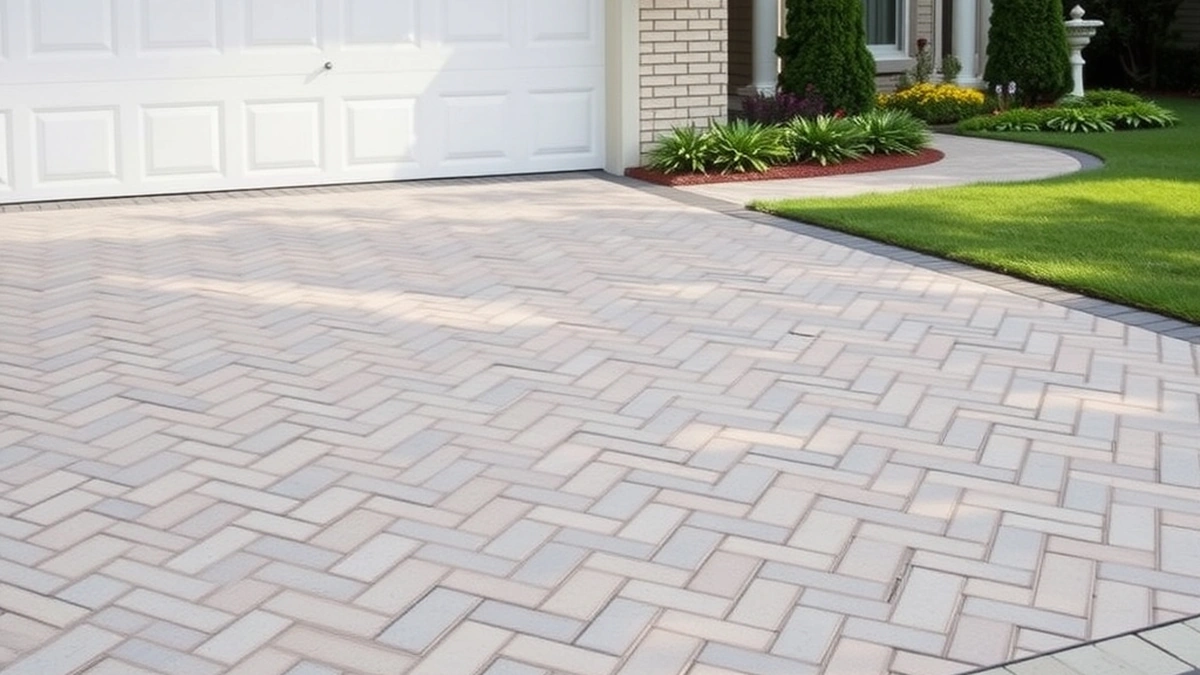
Driveway pavers cost $12 to $25 per square foot installed. Concrete pavers run $12 to $15, brick $16 to $20, and permeable units $20 to $25, with pattern and base depth moving the total.
- Concrete driveway pavers
- $12–$15 per sq ft
- Brick driveway pavers
- $16–$20 per sq ft
- Permeable driveway pavers
- $20–$25 per sq ft
- Two-car driveway total
- $5,760–$12,000
Some links on this page are affiliate links.If you buy through them we may earn a commission at no extra cost to you. We do not accept payment for rankings. Read the full disclosure.
Driveway pavers cost $12 to $25 per square foot installed: concrete pavers at $12 to $15, brick at $16 to $20, and permeable units at $20 to $25. A typical two-car driveway of 480 square feet therefore lands between $5,760 and $12,000, before removal of an old surface or drainage work.
Cost by Paver Type
A driveway paver is a segmental unit rated for vehicle loads, usually 80 mm thick, set on a base built for weight rather than foot traffic. That is why the rate sits above patio pricing for the same material.
| Paver type | Driveway rate | 480 sq ft total |
|---|---|---|
| Concrete, 80 mm | $12–$15 | $5,760–$7,200 |
| Brick, 80 mm | $16–$20 | $7,680–$9,600 |
| Permeable concrete | $20–$25 | $9,600–$12,000 |
| Travertine | not suitable | — |
Concrete is the default because it delivers the vehicle rating at the lowest unit cost. Brick costs more but holds color and suits older neighborhoods. Permeable pavers carry a premium for the open-graded base and geotextile they require. Travertine belongs on pool decks, not driveways.
Pattern Changes the Waste
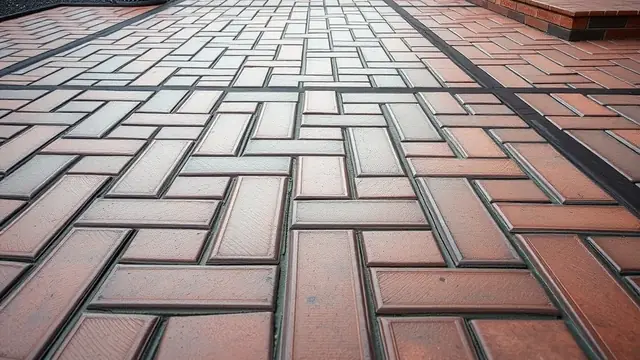
Pattern is the quiet line item. Running bond, where each row is offset by half a unit, produces about 5 percent waste because most cuts are halves. Herringbone looks better under tires and resists lateral creep, but it generates roughly 10 to 15 percent waste plus more saw time.
On a 480-square-foot driveway, 5 percent waste is 24 extra square feet and 15 percent is 72. At $13 per square foot installed, the material swing is small; the labor swing from cutting is not. A basketweave border adds another layer of cuts around the perimeter.
If the driveway has curves, a tight apron, or a lot of obstacles, budget the higher waste figure regardless of pattern.
Pavers Versus Asphalt and Concrete
| Measure | Pavers | Asphalt | Poured concrete |
|---|---|---|---|
| Installed cost | $12–$25 per sq ft | lower first cost (estimate) | lower first cost (estimate) |
| Service life | 25–30 years | 15–20 years with maintenance | 25–30 years |
| Routine upkeep | joint sand, occasional sealing | sealcoat every few years | crack filling, joint sealing |
| Repair | lift and replace units | patch and recompact | cut out and replace |
| Appearance | premium, many options | utilitarian | plain or decorative |
The 20-year arithmetic is where the comparison gets interesting. Say a 480-square-foot driveway of concrete pavers costs $6,500 at $13.50 per square foot. Asphalt might be quoted at roughly half that as an estimate, but it needs sealcoating periodically and an overlay or replacement around year 20. Add those and the gap narrows considerably, though asphalt still usually wins on pure cash outlay.
What pavers buy is repairability. A cracked or stained section comes up and goes back down without a patch line, which matters on a surface that sees plows, tires, and dropped tools.
The Base You Cannot Skip
A driveway base is typically 8 to 12 inches of compacted aggregate, against 4 to 6 for a patio. At 480 square feet with a 9-inch base, that is 13.3 cubic yards of material — about 36,000 pounds, or eighteen tons.
That is the single biggest reason a driveway quote exceeds a patio quote of similar size. It is also the item most likely to be shortchanged by a low bid. A 4-inch base under a driveway will rut in the first hot summer, and no surface material prevents it.
Permeable Driveway Pavers
Permeable pavers let water through open joints into an open-graded storage base. They cost $20 to $25 per square foot on a driveway because the excavation is deeper, the aggregate is specified rather than generic, and geotextile is required to keep fines out of the storage layer.
They make sense where runoff is regulated, where the driveway drains toward a basement or neighbor, or where you want to avoid a sheet of ice at the apron. They need maintenance — periodic sweeping and vacuuming to keep voids open — and they do not tolerate base compaction done carelessly.
What Pushes a Quote Above the Rate
Four items sit outside any square-foot number. Removing an existing driveway is the first, and a two-car slab or asphalt surface is commonly allowed at $1,500 to $3,500 including disposal. A widened apron at the street is the second, since it usually means saw-cutting curb and rebuilding the transition.
The third is drainage. A driveway that pitches toward a garage needs a channel drain, and one that collects water from an uphill lot may need a trench drain and a discharge point. The fourth is access: if a truck cannot reach the work area, every ton of base and every pallet moves by machine you have to rent or labor you have to pay for.
Ask for each of those as a named line rather than a lump sum, and the bids become comparable.
Building the Number
- Measure length by width in feet, including the apron, and multiply for square feet.
- Choose the paver type, then confirm 80 mm thickness in writing.
- Pick a pattern and add 5 to 15 percent waste accordingly.
- Ask for the base depth in inches and the number of compaction lifts.
- Get removal and disposal of the old surface quoted as its own line.
- Add sealing at $1 to $3 per square foot only after the base and drainage are settled.
For a size-by-size budget, see paver driveway cost. For material detail, concrete pavers cost covers thickness and finish, and permeable pavers cost explains the drainage premium. If you are hiring, finding a contractor near you covers the vetting questions that apply to driveways too.
Frequently asked questions
How much do driveway pavers cost per square foot?
Twelve to twenty-five dollars installed, with concrete at the low end, brick in the middle, and permeable units at the top. The rate includes a vehicle-rated base and 80 mm units, both of which cost more than patio work.
What is the cheapest driveway paver?
Standard gray concrete pavers at about $12 to $15 per square foot installed. Colored or tumbled units cost more, and pattern choice adds waste on top of that.
How much more does herringbone cost than running bond?
Herringbone generates roughly 10 to 15 percent waste against about 5 percent for running bond, plus more cutting time. On a 480-square-foot driveway that is an extra 25 to 50 square feet of material.
Are pavers cheaper than asphalt over 20 years?
Not in first cost. Asphalt is typically quoted well below pavers, but it needs sealcoating every few years and an overlay or replacement around year 20. Pavers cost more up front and usually need only joint sand and occasional unit replacement.
Can any paver be used on a driveway?
No. The unit has to be 80 mm thick and the base has to be designed for vehicle loads, typically 8 to 12 inches of compacted aggregate. Patio pavers at 60 mm will fail under tires.
Do driveway pavers need sealing?
Sealing is optional at $1 to $3 per square foot and helps with staining and joint sand retention. It does not add structural strength, and sealing a driveway that drains poorly only hides the symptom.
Sources
Some links are affiliate links.If you buy through them we may earn a commission at no extra cost to you. We do not accept payment for rankings. Read the full disclosure.